Uncategorized
A Candle for the Hour the Heat Lets Go
The high desert gives the day back slowly. All afternoon the light presses white and flat against the windows, and then somewhere past seven it begins to turn — gold first, then amber, then the particular blue that means the ground has finally stopped holding the heat. This is the hour I wait for in summer. Not the morning. The evening, when the day loosens its grip and the house goes quiet in a way it never does at noon.
We tend to put candles away in June. They belong to the dark months, we think — to wool blankets and short afternoons and the need to keep something burning against the cold. But a candle in summer is a different thing entirely. It isn’t there to warm the room. It’s there to mark the shift, to say, without saying anything, that the working part of the day is over and the soft part has begun.
Light for a room that’s already warm
There’s a case to be made for lighting a candle precisely when you don’t need one.
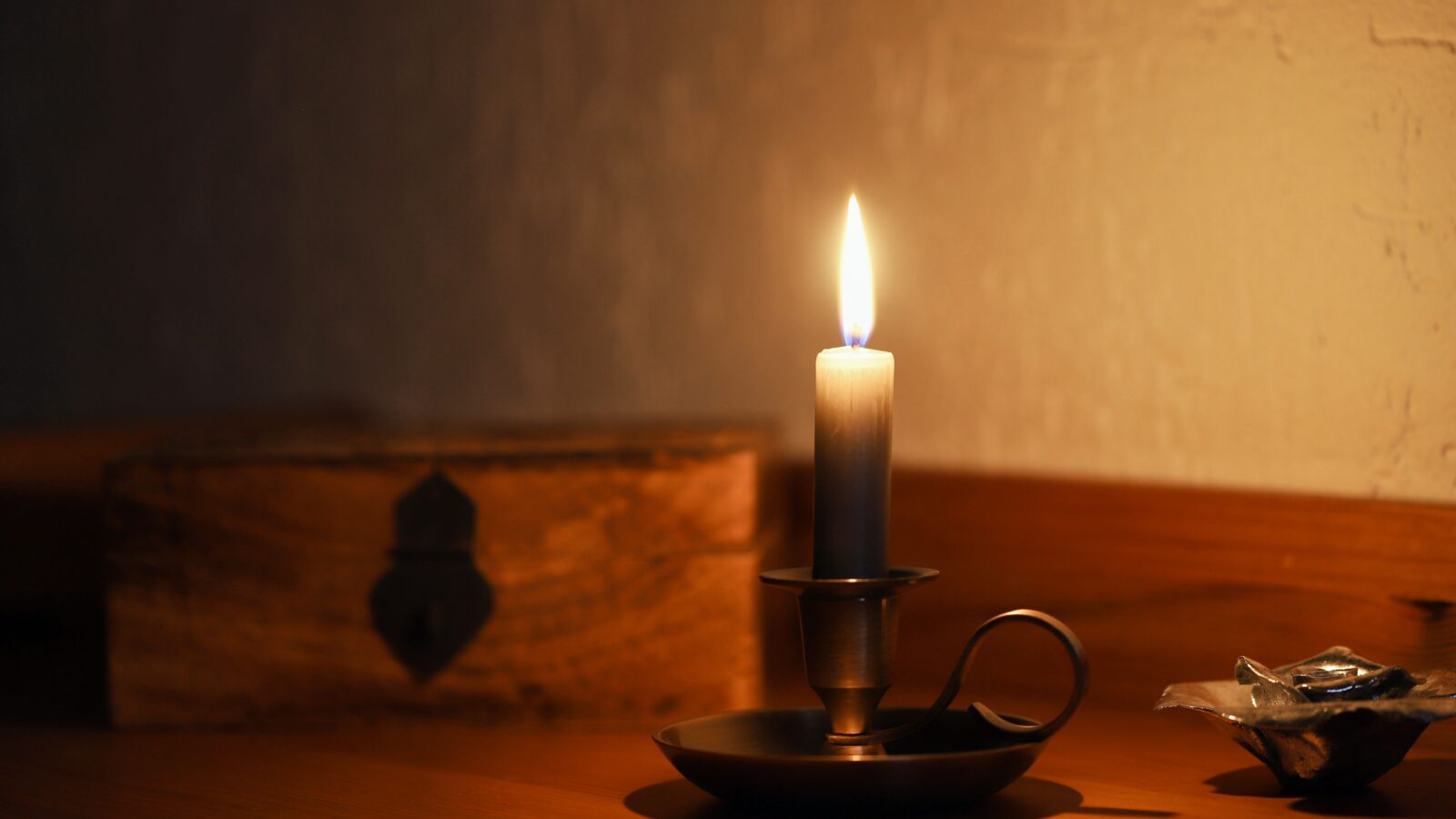
In winter, the flame does a job. It pushes back. In summer, with the windows open and the last of the daylight still hanging in the sky, the candle has nothing to fight. It just sits there being gold, doubling the color already coming through the glass. You light it and the room doesn’t get brighter, exactly. It gets softer. The corners go tender. Everything the overhead light makes ordinary — the stack of mail, the chair no one sits in — turns quiet and forgivable.
The coconut-wax candles we make burn slow and clean, which matters more in summer than it does in any other season, when the windows are open and the air is already carrying the smell of somebody’s garden, of warm dust settling, of dinner two houses down. You want a scent that belongs in that air. Not a heavy one. Something that reads like sage after rain, like citrus peel, like the green top of an herb you brushed against on the way inside.
The evening ritual, such as it is
I won’t pretend this is elaborate. That’s rather the point.
The dishes get done or they don’t. The light goes long across the floor. I trim the wick — a quarter inch, always, or the flame gets tall and restless — and I light the candle on the kitchen counter, and then I put the kettle on. Even in July. Especially in July, once the sun is down and the tea can be the last warm thing of the day instead of one more source of heat.
Salt & Sage brews well in the evening. Let it steep a minute longer than you think you should — the herbs open up slowly, the way the evening does, and there’s no rush now. Pour it into a cup that fits your hands. Carry it and the candle out to wherever the air is moving, the porch step, the open window, the chair by the screen door. Sit down. That’s the whole ritual. There isn’t a next step.
Some nights I read. Some nights I watch the light finish leaving the sky and think about nothing at all. The candle burns beside me either way, keeping its small steady company, and when I finally go in and pinch it out, the smell of it stays in the room for a while after — a soft reminder that the evening happened, that I was here for it.
What a candle is for
A candle asks almost nothing of you. You light it, and it gives back light for a few hours, and then it’s gone. There’s something in that exchange that suits summer especially — the season most likely to run away from you in a blur of long days and later sunsets and the feeling that you should be doing something with all this warmth.
You don’t have to. A summer evening spent watching a flame lean in the breeze from an open window is not a wasted one. It might be the least wasted hour of the whole day.
So keep a candle out past spring. Light it when the heat lets go and the light turns gold. Let it mark the hour that belongs to you — the one after everything, before sleep, with a warm cup nearby and nowhere else you need to be.
That’s summer, too. Not only the bright loud middle of it. The soft edge at the end of the day, and a small light to sit beside while it fades.