Uncategorized
A Garden the Size of a Windowsill
There’s a window in every kitchen that gets the good light. In mine it’s the one over the sink, facing east, which means it takes the sun early and then spends the rest of the day going soft. In late summer, when the clouds pile up over the mountains by two o’clock and the light turns that green-gray that means rain is coming, it’s the best thing in the room.
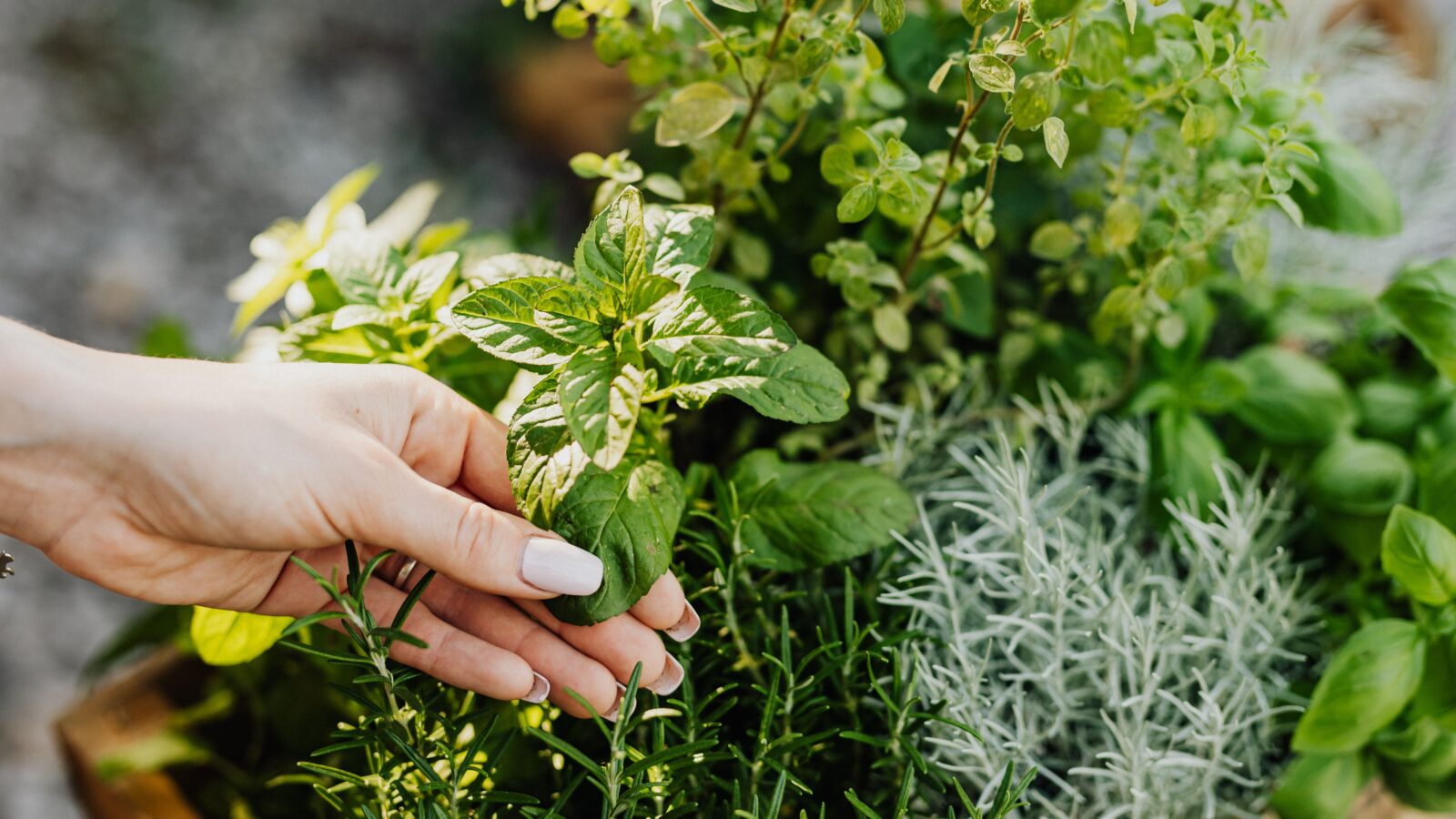
For a long time I kept nothing on that sill but a bar of soap and a small dish for the rings off my fingers. Then one August I put a pot of basil there, mostly by accident, because I’d bought it at the market and had nowhere else to set it down. It stayed. And the kitchen changed in a way I didn’t expect — not because the basil did anything remarkable, but because now there was something alive at eye level while I washed the dishes, and I found I was looking up more often.
Start with what you’ll actually reach for
The impulse with any garden is to plant everything. Resist it for a week and think instead about what you already cook with.
If you make a lot of eggs and summer tomatoes, that’s basil. If you drink iced tea all afternoon, mint. If you roast things — and you will again, once the evenings turn — thyme and rosemary. Chives, if you like something green cut over a bowl of soup. Lemon balm, if you want a leaf to bruise between your fingers when you pass by, which is reason enough to grow anything.
Three pots is plenty. Three pots you tend is worth more than eight you feel vaguely guilty about, and a windowsill has opinions about crowding anyway.
Buy plants, not seeds, at least this first time. Seeds are lovely and slow and there’s a whole other pleasure in them, but in August you want the thing that’s already growing. Starting from a four-inch pot from the nursery means you’ll be picking within the week, and that early payoff is what makes you keep going.
What the window can give you
Herbs are honest about light. They won’t sulk quietly — they’ll stretch, go pale and leggy, and tell you plainly that they need more than the room has.
Six hours of direct sun is the number worth knowing. A south window gives it easily. An east window like mine gives a strong morning and then a long gentle afternoon, which basil and mint accept happily and rosemary tolerates with some visible disappointment. A north window can’t do it, and no amount of hoping will change that. If your best window is dim, grow mint and chives, which are the most forgiving things on the list, and don’t take it personally.
In high summer there’s the opposite problem. Glass concentrates heat, and a pot pressed against a south-facing pane on an August afternoon can cook from the roots up. Pull it back a few inches. Open the window if the air is moving. Herbs came from hillsides — they like a breeze more than they like being coddled.
The dirt, the pot, the water
The failures here are almost always the same two.
The first is drainage. Anything you plant in needs a hole in the bottom of it. That beautiful glazed cachepot with no hole will hold water against the roots until they rot, and it will take three weeks and look like a mystery. Use a plain pot with a hole, set it inside the beautiful one, and lift it out to water.
The second is the watering can itself. Most windowsill herbs die of kindness. Push a finger into the soil to the first knuckle: dry, water it; damp, leave it alone and come back tomorrow. Basil wilts dramatically and forgives you within the hour. Rosemary and thyme want to dry out between drinks and will quietly resent it if they don’t. Mint is the exception — mint would like a swamp, and mint will also try to take over any pot it shares, so give it its own.
Picking is the point
Here is the part nobody tells you: herbs want to be harvested. Cutting basil above a pair of leaves makes it branch into two stems. A mint plant picked from weekly gets bushier. Left alone, both will bolt, flower, and turn bitter, which means the neglected windowsill garden and the well-loved one look entirely different by September.
So pick. Not for a recipe — just because you’re walking past.
Tear a basil leaf and smell your fingers. Cut a few sprigs of mint in the afternoon and drop them into a pitcher of water for no reason at all. When the kettle’s on, put a sprig of lemon balm in the cup alongside Salt & Sage and let it steep a minute longer than you think you should — the leaf goes soft and the smell comes up green and lemony under the herbs, and it tastes like the fact that you grew something.
That’s the whole return on it. Not self-sufficiency, not a harvest worth photographing. A pot of something living where the light is best, close enough to touch on your way past. Three steps from the stove, growing slowly, asking almost nothing.
Put a plant on the windowsill this week. Look up while you do the dishes. It’s a very small garden, and it will change the room.