Coffee & Morning Sips
The Quiet Cup: On Hojicha and the Art of the Slow Morning Drink
There is a drink you have not tried yet
Or perhaps you have tried it once — somewhere quiet, at a counter with good light — and you have been thinking about it since without quite knowing why.
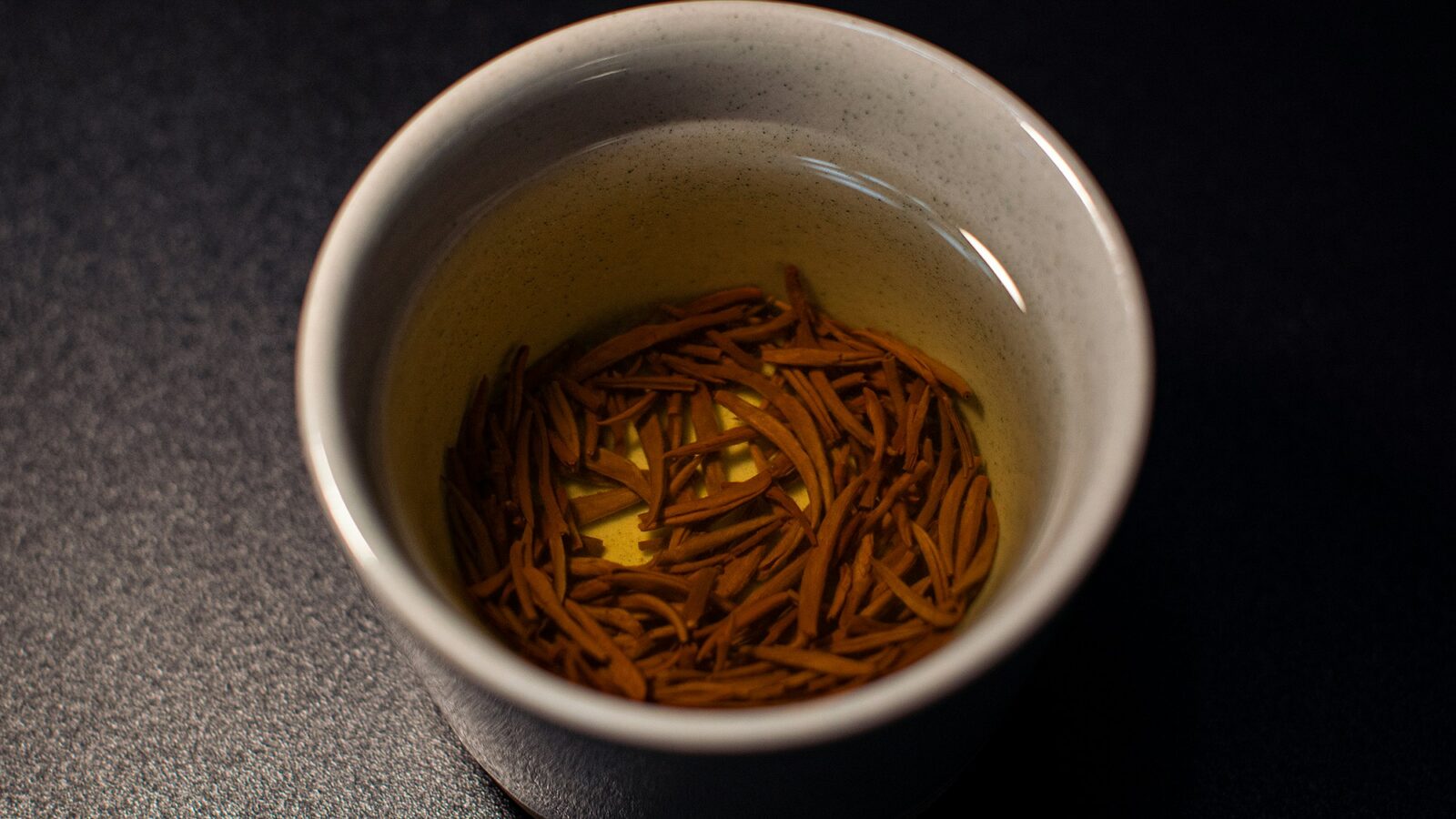
It is called hojicha. Roasted green tea, Japanese in origin, amber in the cup. It smells like toasted rice and caramel and something just barely smoky at the edges. It tastes nothing like matcha, nothing like black tea, nothing like anything you have had before. It tastes like a fire that has already done its work. Like warmth arriving late, unhurried, not trying to impress you.
Hojicha has around a third of the caffeine of matcha. That alone is worth noting. It does not spike and crash. It brings you up gently, holds you there, and lets you down with the same care. It is a drink built for the in-between moments — the early mornings before the day presses in, the mid-afternoon lull, the forty minutes before dinner when you want something warm in your hands but not something that will keep you awake past midnight.
The slow morning drink is having its moment right now — and it is long overdue.
Why Coffee Is Not the Answer
Coffee has always been about speed. The espresso shot, the travel mug, the drive-through window. Even pour-over, which takes five careful minutes, gets rushed. We drink it standing. We drink it in the car. We drink it staring at a screen that is already filled with everything the day wants from us.
Hojicha resists that.
It brews in two minutes. You can do it at a low temperature — around 175°F — so it does not burn and does not require precision. You steep it, you pour it, and then you sit down. That is the part most people skip.
The sitting down.
What happens when you sit down with a cup of hojicha in the morning, before you open anything, before you check anything, is not dramatic. What happens is simpler and smaller, and also better: you are in the room. You are present in the specific way you can only be when your hands are warm and you have not yet handed yourself over to anyone else.
This is the hygge principle at its most essential. Not a candle arrangement. Not a curated aesthetic. Just the decision to be somewhere, fully, for a few minutes, with something that asks nothing of you but your attention.
Hojicha vs. Matcha: Which One Is for You?
Both are Japanese green teas. That is where the similarity ends.
Matcha is whisked from finely ground tea leaves — grassy, vegetal, intensely green. It is the tea of ceremony and of ritual precision. It is also high in caffeine, roughly equivalent to a small cup of coffee, and it can be an acquired taste.
Hojicha is roasted. The leaves are fired over charcoal after processing, which drives off most of the caffeine and transforms the flavor entirely. The result is mellow, toasty, almost sweet. There is no bitterness. There is no grassiness. There is just warmth, in the most literal sense of the word.
If matcha is a morning run, hojicha is a long walk before the day begins.
For anyone who loves tea but finds green tea too sharp, or who wants something warm and grounding without the caffeine climb, hojicha is the answer. For anyone building a slower morning — a morning with margins — it may become the drink that anchors it.
How to Make a Hojicha Latte at Home
You do not need anything special.
Brew a strong cup of hojicha — two teaspoons of loose leaf or two tea bags in four ounces of water at about 175°F. Steep for two to three minutes. Froth four to six ounces of oat milk. The oat milk matters here: it is sweet and full in a way that matches hojicha’s roasted depth without competing with it. Pour the tea into your mug first. Add the frothed milk. Do not sweeten it unless you want to — a small pour of maple syrup or a half-teaspoon of honey works if you want something softer.
Drink it before you open your laptop.
That is the full instruction. That is the whole ritual. You do not need thirty steps or a beautiful ceramic set or a morning that goes according to any plan. You need the tea, and the milk, and the decision not to rush the first good thing of the day.
A note on sourcing: Look for hojicha from Japanese producers that roast their own leaves rather than sourcing pre-roasted from a wholesaler. The difference in aroma is immediate. Ippodo, Kettl, and O-Cha are reliable starting points. Loose leaf will always outperform bags — but good bags are better than no hojicha at all.
The Last Few Minutes Before the Day
The cup will be warm. The room will be whatever the room is — messy, quiet, lit or dark, winter or summer. And you will be there in it, briefly, fully, without an agenda.
This is not a productivity practice. It is not a wellness protocol. It is older and quieter than either of those things. It is just the small act of giving the first good moment of the day to yourself, before the requests arrive, before the list reasserts itself, before you become useful to anyone.
Hojicha will not change your morning. It will not optimize anything.
It will just be there, warm and unhurried, asking nothing. Which is sometimes exactly what you need.
Frequently Asked Questions
Is hojicha good for you? Hojicha contains L-theanine, the same calming amino acid found in all green teas, which promotes a relaxed-but-alert mental state without the jitteriness of high caffeine. Because hojicha is roasted, its caffeine content is significantly lower than standard green teas or matcha — making it a gentler, more sustainable choice for sensitive systems or afternoon drinking. It is also naturally high in antioxidants.
Can I drink hojicha at night? Yes — this is one of its best uses. With roughly one-third the caffeine of matcha and far less than black tea or coffee, hojicha is one of the few warm drinks that genuinely works in the evening. A simple steep (no milk required) after dinner or before bed is a long-standing practice in Japan. It is warming without being stimulating. It settles rather than stirs.